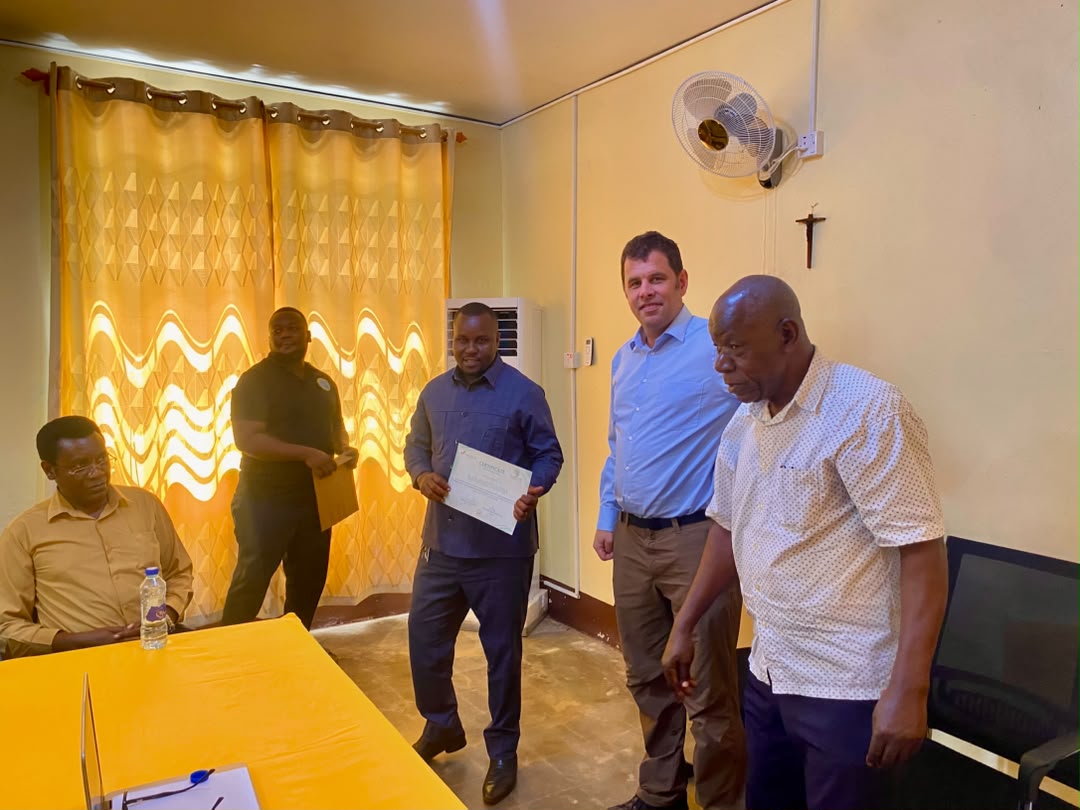
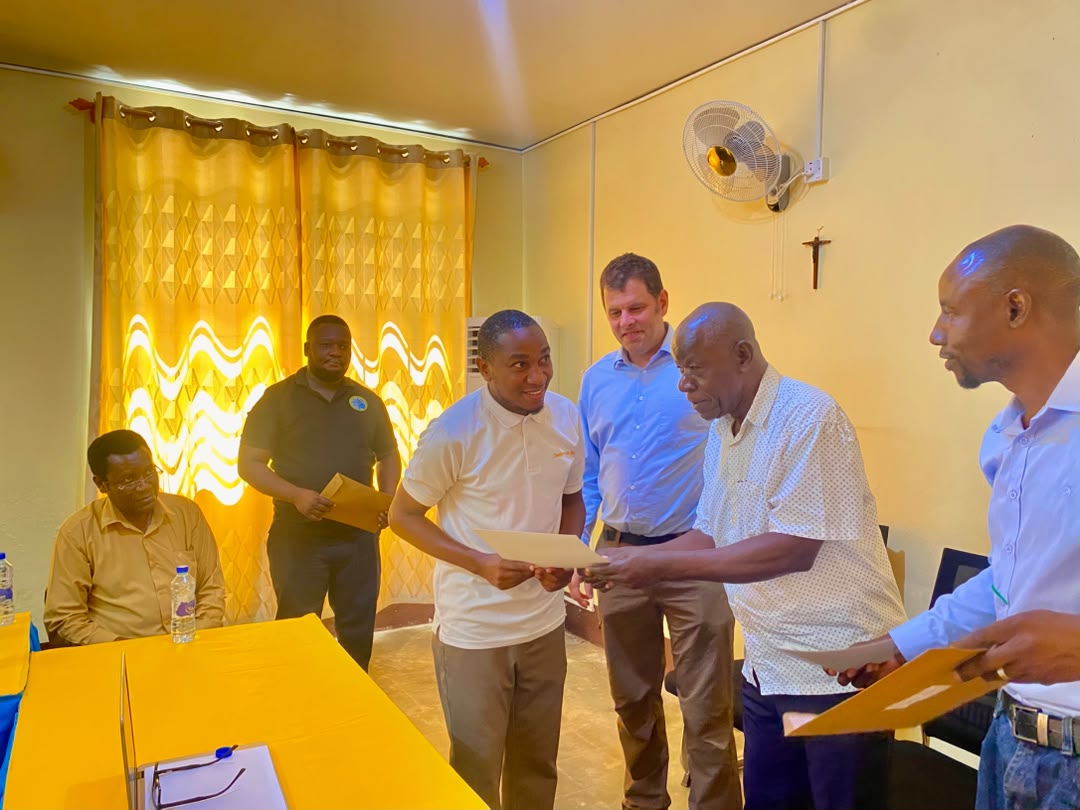
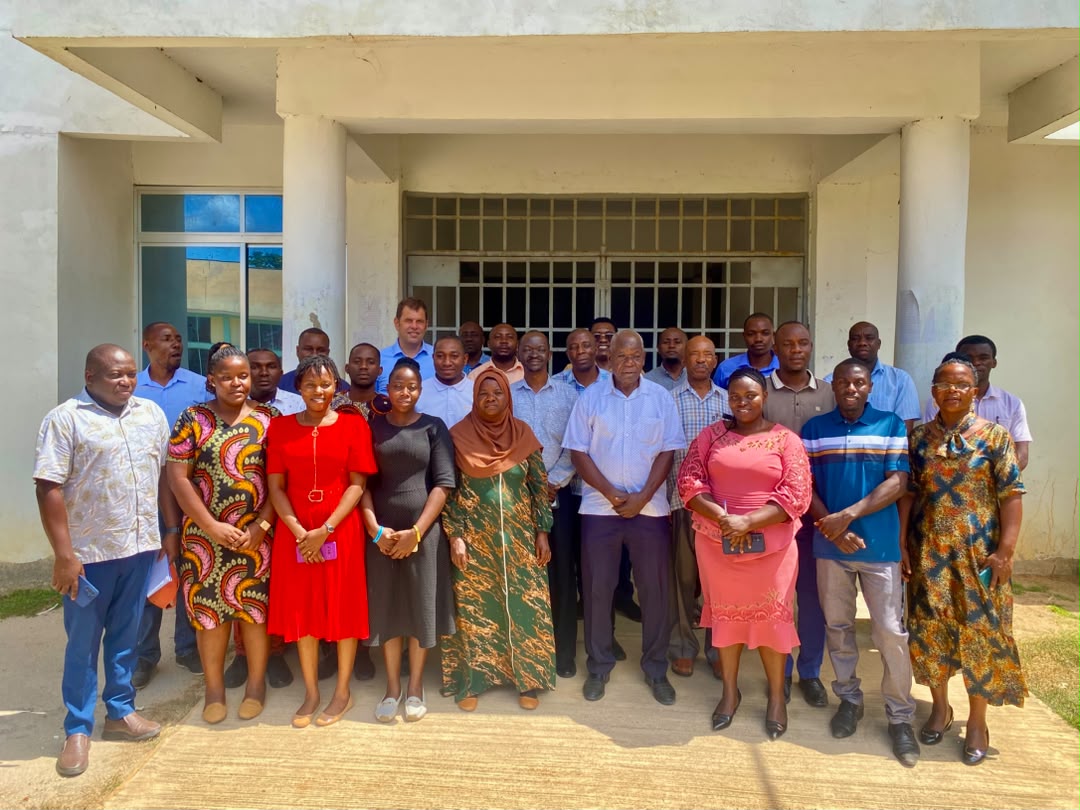
A landmark regional workshop was successfully conducted from 14th to 16th September, 2026.

A landmark regional workshop was successfully conducted from 14th to 16th September, 2026.
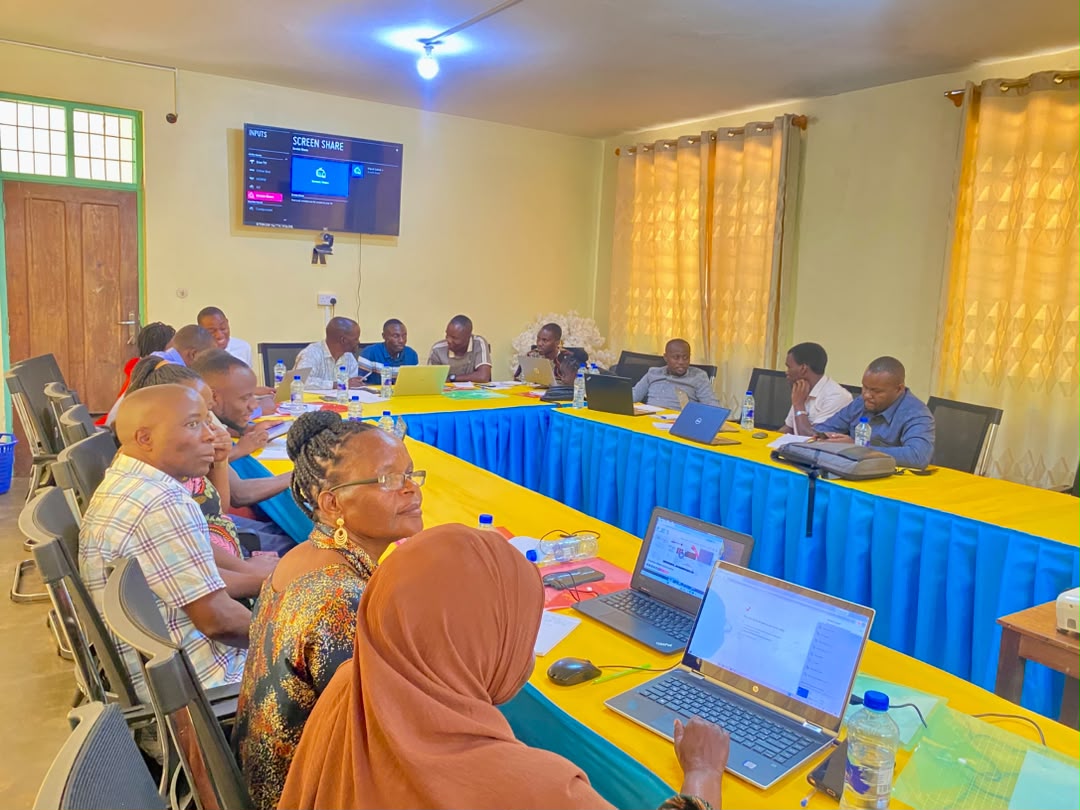
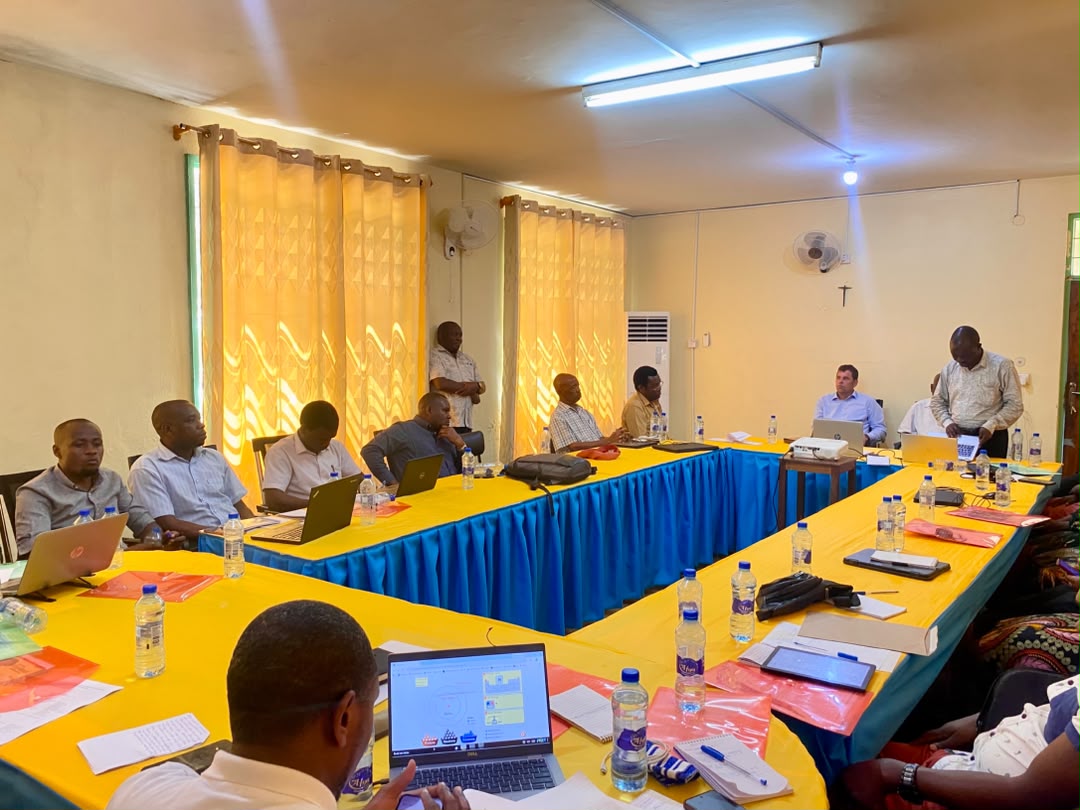
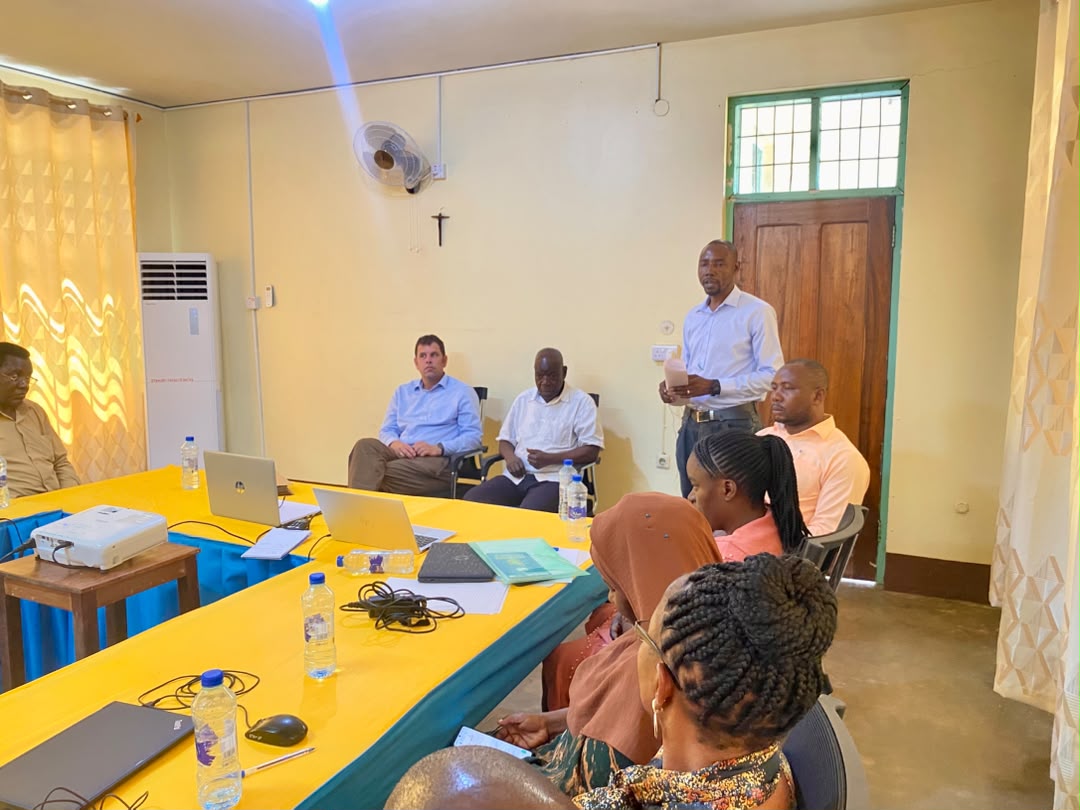
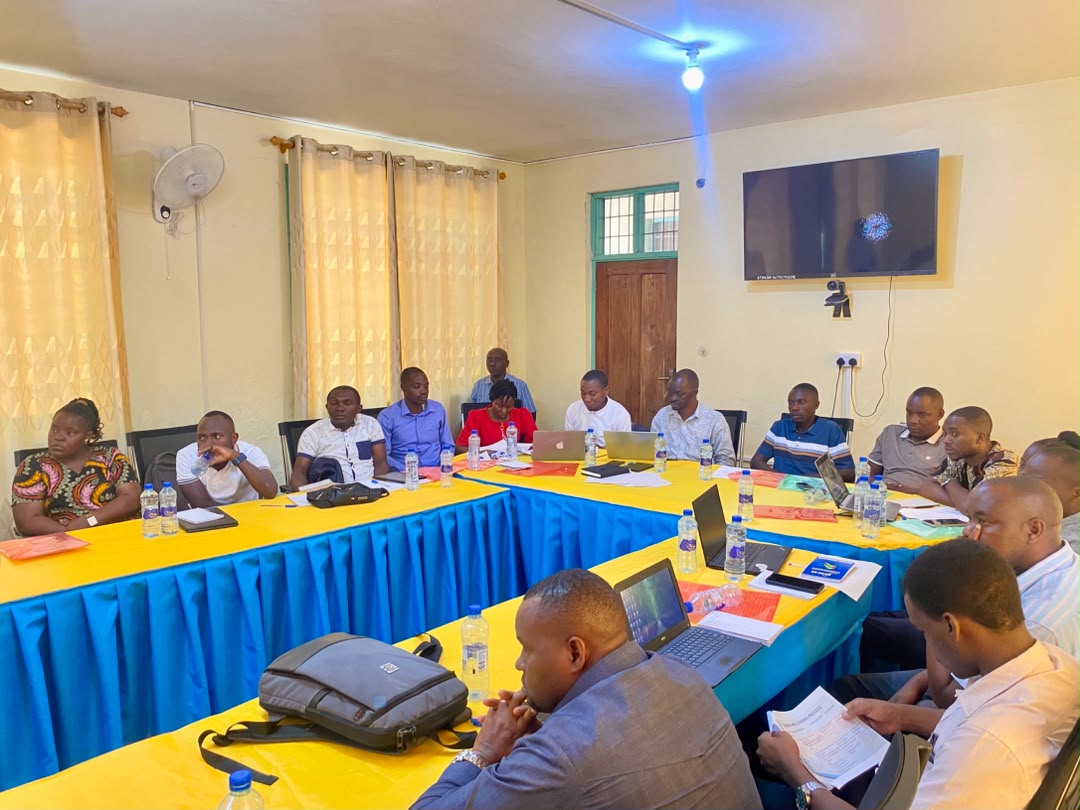
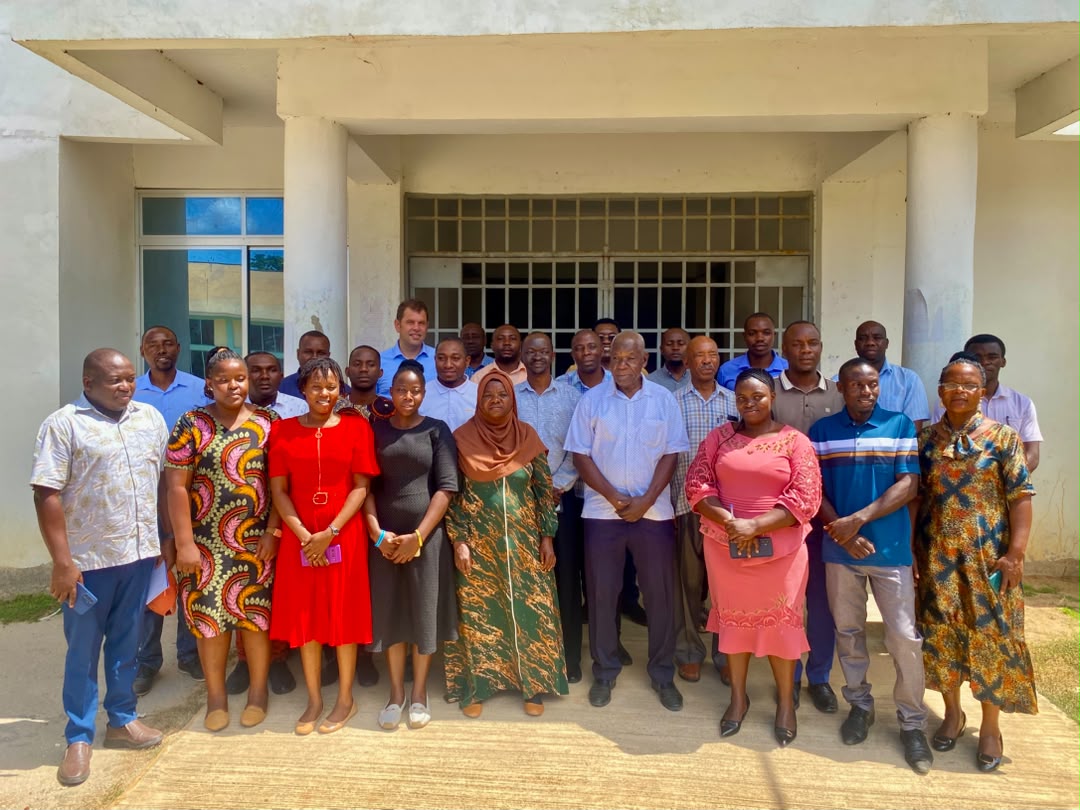
A landmark regional workshop was successfully conducted from 14th to 16th September, 2026 at the Stella-Maris Mtwara University College (SteMMUCo) conference hall in Mtwara Municipality. This international collaborative initiative was made possible through financial support from the German Government via the University of Vechta, aiming to uplift secondary school education standards across Southern Tanzania.
The workshop was strategically designed to utilize structured professional development frameworks, prominently featuring training-of-trainers (ToT) models and TPACK (Technological Pedagogical Content Knowledge)-centered workshops. Participating educators were comprehensively equipped with modern pedagogical strategies that integrate technology, content, and effective teaching methodologies seamlessly into their everyday classrooms by focusing on these frameworks.
A core highlight of the program was its heavy reliance on Experiential Learning Enhancement. Following established educational theories regarding active learning and adult education cycles, the workshop deployed mobile science and computer laboratories (Virtual Labs).
This innovative approach directly addressed and helped bridge severe resource gaps in under-resourced secondary schools across the Mtwara and Lindi regions. Teachers engaged in hands-on simulations, moving away from passive instruction toward interactive, student-centered digital learning environments.
The multi-day event brought together a diverse group of key educational stakeholders committed to regional academic advancement. Attendees included:
STEM Teachers selected from pilot secondary schools across the Mtwara and Lindi regions.
District Education Officers overseeing secondary schools’ education curriculum execution.
SteMMUCo Education Lecturers facilitating peer-to-peer collaboration and expert pedagogical coaching.
The workshop concluded with participants ready to cascade their new skills to fellow educators, ensuring long-term sustainability and profound improvements in regional science and mathematics education.